Clear, practical breakdowns of the Quick Exits method.
Free to download, easy to follow, and designed to guide real change.
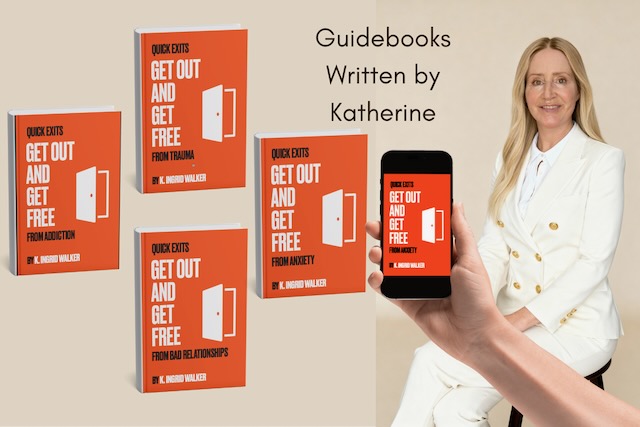
Explains why intelligent, resilient people can remain stuck in relationships that drain them — and how to break free from the ancient survival patterns that keep pulling you back.
This short guide shows you how the limbic system bonds to familiarity, why leaving can feel biologically dangerous (even when it’s logically right), and how digital or physical communities can mimic “tribal belonging” in ways that override your autonomy.
You’ll learn how Quick Exits updates those outdated survival instructions, dissolves fear-based loyalty, and restores your agency, clarity, and self-trust.
Whether you’re leaving a partner, a friend, a group, or a high-control environment, this guide helps you understand the forces at play — and shows you how to reclaim your life from patterns that never deserved your devotion.
Break the spell of emotional attachment and see clearly again.
Explains why anxious reactions feel automatic, overwhelming, and out of proportion — and why they persist even when you “know better.” This guide uncovers how the limbic system misreads modern stress as danger, why inaccurate threat signals distort perception, and how hypervigilance, spiraling thoughts, or even paranoid interpretations can take hold.
You’ll learn how Quick Exits communicates directly with the emotional-survival mind, updates the outdated program driving the alarm, and restores internal regulation from the inside out.
This guide is a clear, reassuring roadmap out of chronic anxiety, helping you regain calm, clarity, and control without forcing yourself to “think differently.” When the survival system receives accurate information, the fear finally lets go — and you get your life back.
Calm the system at the source — instantly and naturally.
Reveals why some behaviours and substances feel irresistible, even when you fully understand the consequences. This guide explains how the nervous system forms emotional bonds with relief, escape, or comfort, why survival-based loops override logic, and how the pull can feel absolute — as if nothing else matters.
You’ll see how addiction often emerges from chronic stress, loneliness, emotional inconsistency, or internal conflict, and how the limbic system mistakes the addictive behaviour for safety.
Quick Exits helps dismantle that miswired survival response, dissolves the compulsive override, and creates a new internal pathway where choice becomes possible again. This guide offers a path out of the cycle — grounded, compassionate, and biologically realistic.
End the emotional drivers beneath cravings.
Explains why certain reactions feel immovable, why triggers appear without warning, and why the body can hold onto experiences long after the mind believes it has “moved on.” This guide explores how trauma imprints are stored in the emotional-survival system, how the body keeps sending signals that the danger is still present, and why trauma can persist even when there was no single violent event — only overwhelm.
You’ll learn how Quick Exits helps the system update that original imprint, reassign the meaning, and release the defensive responses that once felt necessary but are no longer relevant.
This guide provides a clear, steady understanding of trauma that does not blame, minimize, or dramatize — it simply shows you how your system learned to survive, and how it can now learn something new: safety, presence, and power.
Update the survival imprint and take back control.